
Reformer Pilates Studio Design, Layout, and Size: What Buyers Evaluate
Thinking about selling your Pilates studio—or designing one with resale in mind?
Buyers don’t just evaluate revenue. They closely assess the physical studio itself.
Pilates studio size, layout, and design directly influence valuation, buyer confidence, and how smoothly a deal moves through diligence. We regularly see strong studios lose leverage (or momentum) because the space itself introduces friction for buyers.
Sell a pilates studio, or start planning your exit, with help from Boutique Fitness Broker.
Whether you’re actively preparing to sell or planning your exit, we help boutique fitness owners understand how buyers actually evaluate your business, and how to position it for maximum value.
What Buyers Evaluate in Your Pilates Studio Space
When buyers evaluate a Pilates studio, they focus on how efficiently the space converts rent into revenue – and how easily they can step in and operate without disruption.
Their core priorities usually include:
Profit per square foot,
Operational ease and staffing efficiency,
Brand-ready, transferable design,
and minimal capital upgrades required after closing.
Studios that clearly support these factors feel lower risk and tend to attract stronger offers faster.
Just as important are location and lease terms. Rent structure, remaining lease term, renewal options, tenant improvement rights, assignability, and landlord approval requirements can materially impact valuation—or stop a deal entirely if misaligned.
Common Owner Misconceptions We See
Bigger studios are always more valuable
Beautiful design automatically increases price
Buyers can “fix layout issues later”
Branding doesn’t matter if financials are strong
In reality, physical friction often shows up as fewer offers, lower multiples, and less leverage.
Pilates Studio Size
Is this the right amount of space?
Most boutique Pilates studios fall between 1,200 and 2,000 square feet, and buyers are very familiar with this range. Studio size directly affects valuation, speed to sale, and perceived execution risk.
Spaces that are too small cap revenue and limit profitability. Oversized studios often struggle with rent efficiency and margin compression. Buyers consistently favor studios that are clearly right-sized for their revenue model.
Questions buyers ask:
Is the studio appropriately sized for its revenue?
How many reformers fit comfortably and safely?
How much square footage is revenue-producing versus non-revenue?
Does rent make sense for the square footage?
Can reformer count be adjusted without construction?
Would resizing or relocation materially improve margins?
From a buyer’s perspective, size issues often translate into price reductions tied to rent inefficiency, requests for reserves or concessions, and longer diligence while feasibility is assessed. Studios that land in the “right-sized” range typically sell faster and face fewer objections.
Revenue Efficiency Per Square Foot
Revenue per square foot is a core valuation signal. Buyers want proof that most of the studio contributes directly to income—not just aesthetics.
Efficient layouts, dense peak-hour schedules, and pricing aligned with capacity inspire confidence. Dead space, underutilized rooms, or layout-driven scheduling constraints often raise concerns during diligence.
Additional buyer questions:
How does revenue per square foot compare to similar studios?
Are peak hours fully utilized?
Are off-peak limitations driven by demand—or by layout?
Can higher-margin offerings fit within the current footprint?
Reformer Count and Class Capacity
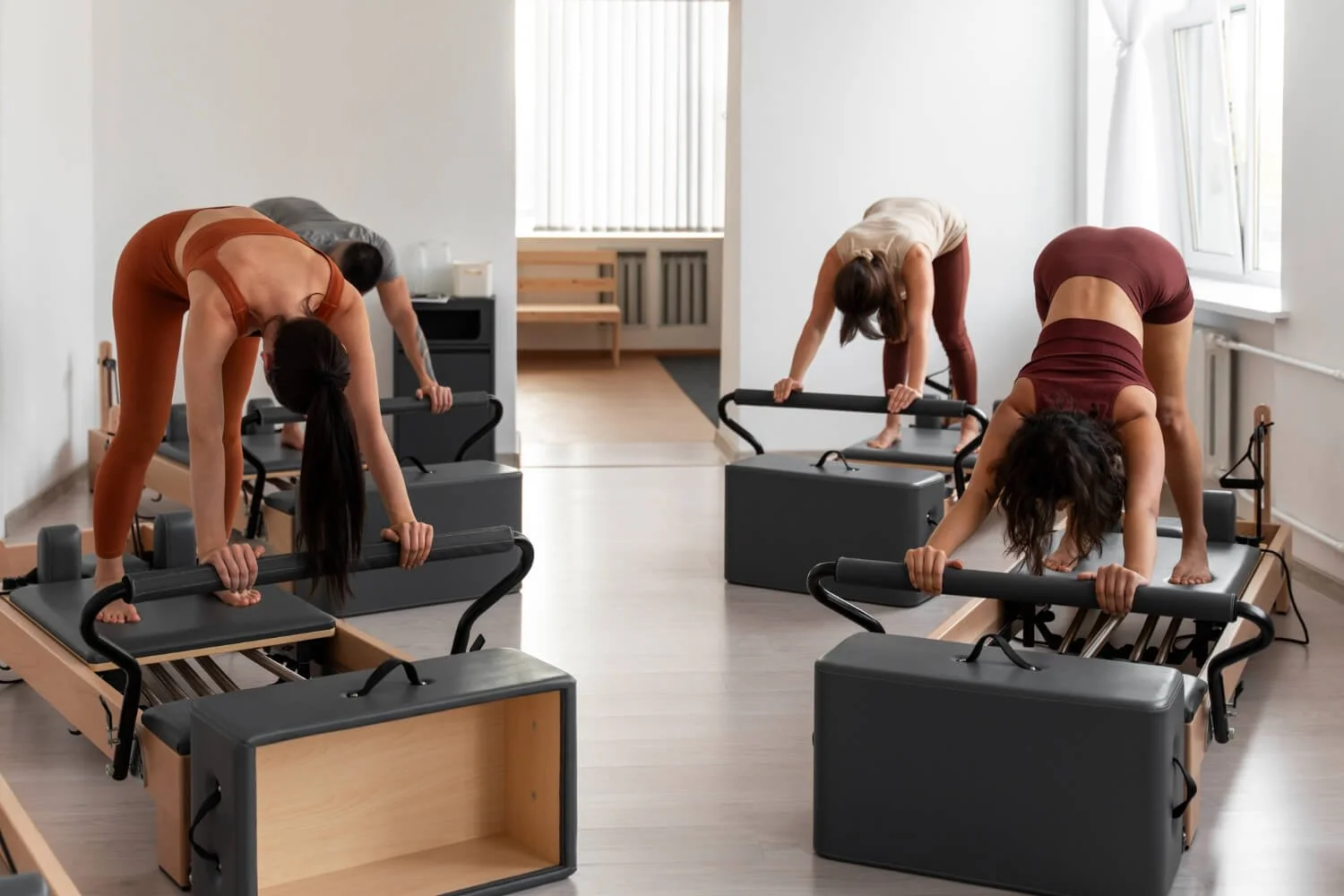
Buyers closely analyze square footage per reformer, focusing on safety, instructor sightlines, and the client experience. Most expect 8–16 reformers, depending on market and room size.
More reformers do not automatically increase value. Overcrowding can hurt retention and reviews, while too few reformers can cap revenue. Buyers prefer studios where capacity is clearly optimized and all pieces of equipment are supported by utilization data.
Additional buyer questions:
Is the pilates equipment owned or leased?
Are all reformers the same brand and model?
What is the average class utilization rate?
Is spacing compliant with safety and insurance requirements?
Can capacity increase without sacrificing experience?
Expansion Headroom and Scaleability
Buyers value growth that doesn’t require relocation or major capital investment. Even modest expansion headroom (space for private sessions, new types of classes, workshops, or schedule densification) adds flexibility and perceived upside.
Scalability isn’t just about studio space; it’s about whether growth can happen without increasing owner dependency or staffing complexity.
Additional buyer questions:
Can private sessions be added without reducing group classes?
Does zoning or the lease restrict expansion?
Can the studio support hybrid uses (rehab, stretch, recovery)?
Would growth require additional staff—or better scheduling?
Pilates Studio Layout
Does the studio work operationally?
A strong layout supports smooth daily operations and reduces staffing friction. Buyers evaluate how clients move through the space, how instructors manage classes, and whether compliance standards are already met.
Layout concerns frequently slow deals when buyers anticipate landlord approvals, downtime, or costly reconfiguration.
The best pilates studio layouts include clearly separate front-of-house and class areas, support efficient class turnover, and meet ADA accessibility requirements, and comply with restroom, HVAC, ventilation, sound, fire code, and occupancy standards
Questions buyers ask:
Can reformers be rearranged for workshops or privates?
Is there room for mat, rehab, or retail expansion?
Are there bottlenecks during peak transitions?
Can one staff member manage busy periods?
Are restrooms private or shared?
Are ADA upgrades complete?
Is HVAC dedicated or shared?
Whose responsibility is HVAC maintenance and repairs?
Has the studio passed all inspections?
Welcoming, efficient front-of-house flow
The front-of-house sets the tone for the client experience. Buyers favor studios with clear check-in areas, logical cubby placement, and smooth traffic flow before and after class.
Studios that feel chaotic during transitions often signal operational strain. Efficient front-of-house design supports retention and reduces staffing stress.
Additional buyer questions:
Does the check-in area support retail upsells?
Is the waiting area comfortable and appropriately sized—or unnecessary?
Are there complementary amenities nearby that enhance experience?
Functional back-of-house and storage
Adequate storage signals operational maturity. Buyers look for clearly labeled zones, closed storage, and designated space for props, cleaning supplies, retail overflow, and instructor items—without encroaching on client areas.
Makeshift storage raises concerns about scalability.
Additional buyer questions:
Is there sufficient laundry or linen storage?
Are cleaning workflows efficient?
Can storage expand without disrupting experience?
Instructor Sightlines and Safety
Clear instructor sightlines improve class quality, safety, and scalability. Buyers value studios where instructors can easily monitor all clients without obstructions or awkward positioning.
Additional buyer questions:
Have there been past safety incidents tied to layout?
Can newer instructors manage classes effectively?
Is mirror placement helpful or distracting?
Does lighting support cueing and corrections?
Pilates Studio Design
Does it feel premium, and transferable?
Design shapes first impressions and perceived value. Buyers favor studios that feel modern, neutral, and brand-ready—not overly personal or dated.
Overly specific design choices often translate into rebranding costs, slower decisions, and discounted offers. Studios that balance warmth with simplicity tend to move faster and closer to asking price.
Questions buyers ask:
Does the design support premium pricing?
How expensive would rebranding be?
Are finishes neutral enough for a new owner?
Will this feel current in 3–5 years?
Does the studio photograph well?
Clean, Light-Filled Spaces
Bright, clutter-free interiors increase perceived value and retention. Buyers associate natural light and clean lines with stronger demand and an inviting atmosphere.
Consistent, Modern Branding
Consistency signals professionalism. Buyers prefer studios where signage, finishes, and retail feel cohesive—but easy to adapt. Neutral palettes and simplified branding reduce friction and future costs.
High-Quality, Well-Maintained Finishes
Buyers notice details. Worn floors, scuffed walls, or dated hardware suggest deferred maintenance—and future expense. Minor repairs and refreshes often deliver outsized returns in buyer confidence.
Sell Your Pilates Studio with Boutique Fitness Broker
Selling a Pilates studio is about more than financials. Buyers need to trust the space, understand how it works, and see a clear path to growth.
Boutique Fitness Broker helps pilates studio owners plan ahead—often 12–24 months before selling—so size, layout, design, lease terms, and operations align with buyer expectations.
If you’re thinking about an eventual exit, the best time to optimize your space is before you list.
Ready to plan your exit?
Schedule a confidential consultation with Boutique Fitness Broker
FAQs
How much space do you need for a pilates studio?
Most successful boutique Pilates studios operate between 1,200 and 2,000 square feet, balancing capacity, rent efficiency, and revenue per square foot. An ideal pilates studio size truly depends on striking the right balance of square footage and revenue.
What are the main pilates studio layout considerations?
Buyers focus on client flow, instructor sightlines, storage, and compliance. Efficient front-of-house design, flexible class layouts, ADA accessibility, proper HVAC, sound containment, and fire code compliance all reduce risk and speed up deals.
How does Pilates studio interior design impact a sale?
Interior design shapes first impressions and perceived value. Clean, modern, brand-neutral studios feel lower risk and often sell faster. Dated or overly personal designs can reduce offers.
Do buyers prefer turnkey studios or fixer-uppers?
Most buyers pay a premium for turnkey studios with minimal capital needs. Fixer-uppers typically sell slower or at a discount. Explore our listing for boutique fitness businesses for sale.
Is it better to renovate before selling a Pilates studio?
It depends. Strategic, low-cost updates can often improve valuation and speed to sale. Large renovations rarely deliver full ROI unless they resolve a clear operational or compliance issue.
What design upgrades add the most value before selling a Pilates studio?
Lighting upgrades, fresh paint, updated flooring, and neutral branding tend to offer the highest return. Buyers favor studios that feel move-in ready and don’t require immediate cosmetic improvements.
Are Pilates studios profitable? Learn more in our guide.